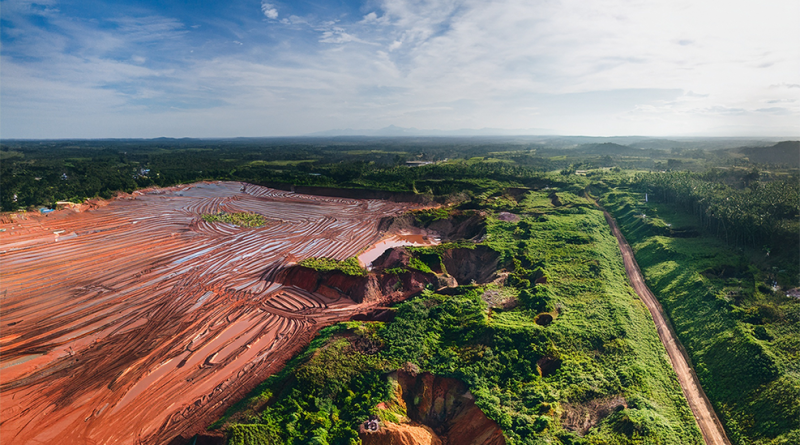
6 examples of environmental mining success across the United States
Mining has long been associated with environmental disturbance, but modern reclamation is changing that perception. Across the United States, mining companies are investing in habitat restoration, water quality improvements, native vegetation and long term land stewardship that extends well beyond regulatory requirements. The Surface Mining Control and Reclamation Act of 1977 established strict reclamation standards, while many companies now pursue concurrent reclamation, restoring land during active mining rather than waiting until closure. Today, successful projects demonstrate that responsible US mining can support biodiversity, community development and future economic opportunities alongside mineral production.
1. Peabody’s Kayenta Mine restores productive grazing land
Arizona’s former Kayenta Mine has become one of the country’s standout reclamation projects. Rather than simply stabilising the landscape, Peabody Western Coal Company worked with the Navajo Nation to develop post mining land uses that reflect local priorities. Native grasses, shrubs and other vegetation have been established across reclaimed areas, creating productive grazing land for livestock.
The project received the Office of Surface Mining Reclamation and Enforcement’s National Excellence in Surface Coal Mining Reclamation Award. During a 2026 visit, OSMRE Director Lanny Erdos described the work as among the finest examples of mine reclamation he had seen, highlighting how restored land now blends naturally into the surrounding landscape while supporting local communities.
2. Newmont integrates reclamation throughout a mine’s life
Gold producer Newmont has moved beyond viewing reclamation as an end of mine obligation. The company incorporates closure planning from the earliest stages of mine development and carries out concurrent reclamation wherever possible.
In 2025, Newmont completed concurrent reclamation across more than 130 hectares while ensuring every operating site complied with its global Closure and Reclamation Management Standard. The company also focuses on biodiversity protection, aiming to achieve no net loss of key biodiversity values where practical. This long term approach reduces environmental liabilities while allowing ecosystems to recover sooner.
3. Kinross protects wildlife alongside mining operations
Kinross has demonstrated that reclamation can also strengthen wildlife conservation. At its Bald Mountain operation in Nevada, reclamation has been combined with habitat restoration to support mule deer migration and native ecosystems.
The project received recognition through Nevada’s Excellence in Mine Reclamation Awards, reflecting innovative planning that balanced active mining with environmental stewardship. By restoring native vegetation and preserving important wildlife corridors, the company has shown that environmental mining practices can benefit both biodiversity and future land use.
4. Nevada Gold Mines gives historic waste sites a new future
Nevada Gold Mines has tackled one of the industry’s most complex challenges by reclaiming legacy waste rock facilities that predate modern environmental standards.
Its Butte Canyon Historic Waste Rock Facility reclamation project earned recognition from the Nevada Excellence in Mine Reclamation Awards. The project focused on stabilising waste materials, reducing erosion risks and establishing vegetation capable of surviving Nevada’s arid climate. These efforts help protect surrounding ecosystems while reducing long term maintenance requirements.
5. Rio Tinto Kennecott combines active mining with environmental management
The Bingham Canyon operation in Utah remains one of the world’s largest open pit copper mines, yet environmental management has become a central part of its ongoing operations. Rio Tinto Kennecott works under extensive EPA oversight to manage historic mine waste, remediate contaminated areas and restore disturbed land as operations continue.
Historic facilities have been removed, contaminated soils treated where necessary and large sections of the site are managed under approved environmental programmes. The project illustrates how even large, long established mining operations can progressively improve environmental performance while maintaining production.
6. Award winning reclamation is raising standards across US mining
Individual projects are increasingly becoming part of a wider movement. Every year, the Office of Surface Mining Reclamation and Enforcement recognises companies whose reclamation exceeds regulatory requirements through its Excellence in Surface Coal Mining Reclamation Awards.
Winning projects have restored forests, wetlands, agricultural land and wildlife habitats while improving water quality and reducing erosion. According to OSMRE, the best reclamation projects return land to equal or better beneficial use after mining, demonstrating that environmental performance is becoming a competitive advantage across the US mining industry.
Modern mining will always leave an environmental footprint, but the industry’s leading reclamation projects show that those impacts can be significantly reduced through planning, investment and collaboration. From restoring grazing land in Arizona to protecting wildlife habitats in Nevada and embedding closure planning into active operations, these examples highlight how environmental mining is evolving. As demand grows for the minerals needed to support the energy transition, successful reclamation will remain a defining measure of responsible US mining.