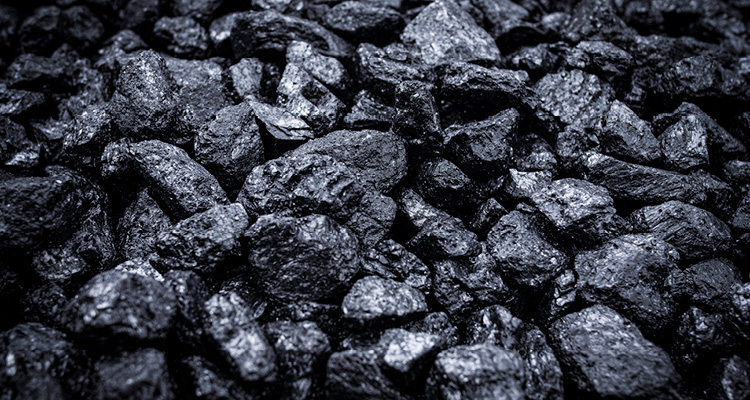
How Energybuild transformed a 400-plus year colliery into a sustainably operated anthracite resource
Operating the Aberpergwm Colliery in the Neath Valley, South Wales, Energybuild Ltd (Energybuild) takes pride in consistently supplying a top-quality product. A company dedicated to the production, processing, and supply of premium anthracite and carbon products, Energybuild sits at the forefront of a highly specialized sector, combining extensive technical expertise with a long-term commitment to sustainable industrial development. The business itself was established in 2003 with the purpose of raising funds to access the reserve of high-quality anthracite (the highest rank of coal), though the colliery’s mining heritage dates to the 1600s. Following centuries of ownership changes and evolutionary innovation, the Aberpergwm Colliery was reopened by Rhidian Davies, now Founder and Managing Director of Energybuild, in 1996. Under Rhidian’s ownership, the mine underwent various subsequent investment phases under the Energybuild brand and, later, with international operators, has continually adapted to meet changing market demands. After persevering through multiple evolutionary changes and geopolitical challenges, however, the colliery was soon returned to independent ownership in 2018, solidifying Energybuild’s position as the leading producer of high-grade anthracite in Western Europe.
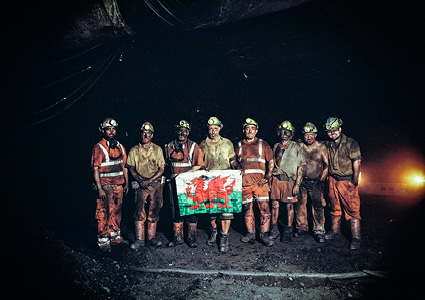
Today, with a strong workforce of 230 employees, Energybuild continues to build on its rich legacy. The mine now extracts anthracite from the renowned Nine Foot Seam, which currently holds over 70 million tons of remaining resource from a 25-year life-of-mine planning consent, measured to exacting international JORC 2012 standards, making it ideal for specialist industrial use. Mining & Minerals Today sits down with Thomas Davies, Energybuild’s Operations Director and Mine Manager, to learn more about the company’s current operations and wider investment program. We start by taking a deeper dive into Energybuild’s evolution over the decades and discussing its present market offering.
“The mine has been systematically re-opened and developed into the main reserve of high-quality anthracite,” Thomas begins. “Although Energybuild Ltd has historically supplied the traditional energy and domestic heating markets, we’ve recognized the need to move away from these markets, not only from an environmental perspective but also from an economic and social perspective, predominantly in recognition of the impact that burning fossil fuels has on the environment and the climate.
“Over the past decade, the mine has adapted its production processes to suit the market demand, most noticeably through the implementation of environmentally friendly products and processes. Where initial markets were focused on thermal production, the demand has undergone a wholesale change to primarily focus on water filtration and other niche industrial and specialist markets, supporting the widespread green transition of all industrial sectors.”
Boasting a robust international presence, Energybuild is well-equipped to serve a vast scope of specialist applications across the globe. The company’s largest product proportion spreads across six continents in the water filtration sector, particularly for water purification and desalinization processes. Alongside this, Energybuild’s anthracite products are utilized in a number of specialist carbon applications, such as carbon electrode production, graphite and graphene production, electric arc manufacture and processes for making green steel, brick colorants, cement production, and the manufacture of solar panels.
On an operational level, all Energybuild’s processes are underpinned by a strong commitment to responsible and sustainable operations. As the company continues to meet international demand across multiple industries, it prioritizes minimizing environmental impact whilst ensuring that its activities contribute positively to the ecosystems in which it operates.
“At Energybuild, we also see ourselves as custodians of our environment and have a detailed restoration and aftercare scheme in place to ensure our site is returned to its former state once mining operations end,” Thomas confirms. “Whilst mining is ongoing, we are continually striving to make the site as biodiverse as possible; we manage our waterways on site, provide bat and bird habitats in and around our site, manage three peat bogs which are continually used by ecologists as examples of best practice, with seed samples collected for repopulation of bogs elsewhere. To create a long- term and sustainable operation, Energybuild will continue to keep up with best practices and efficiency, whilst monitoring and adapting to global market demand to allow the operation to be competitive on a global scale.”
Building on this commitment to environmental stewardship and long-term sustainability, Energybuild is also making significant investments in modernizing its operations.
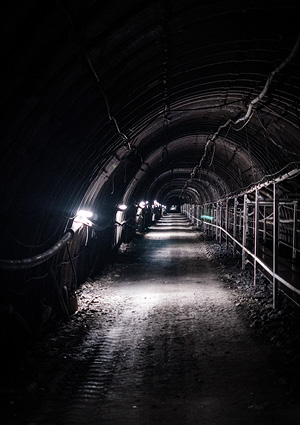
“The company has recently purchased two new sets of continuous mining systems that have arrived in readiness to increase production, and a new drift is currently ongoing, which, with its scheduled completion in late 2026, will allow greater ventilation for increased production,” Thomas shares. “We’ve also implemented new conveyors to increase our efficiency, and we’ve purchased a new surface plant with new product drying facilities.
“Alongside production improvements, the company is also heavily investing in decarbonization strategies to improve our environmental performance, with the aim of hitting carbon neutrality,” he continues. “A ventilated air methane (VAM) system is currently being installed at the mine to reduce methane emissions, which are expelled from underground within the ventilated air. Initially, it’s a pilot project to deal with 25 percent of the ventilated air, but, if proven to be effective, we plan to install further units to eventually eliminate all methane from the mine’s ventilated air.
“Alongside this, we have also invested heavily in methane drainage. The extracted methane will be utilized to generate electrical energy via the use of gas turbine engines, therefore reducing climate damage from the methane whilst providing a secondary benefit of providing the mine with power and reducing our dependence on the Grid.”
With a longstanding mining heritage and a clear focus on the future, Energybuild continues to evolve as a forward-thinking leader in the anthracite sector. By aligning operational excellence with environmental responsibility and strategic investment, the company will continue to augment its position in specialist global markets whilst driving the industry towards a more sustainable, low-carbon future.
“Our key aim over the coming years is to transition fully away from any thermal markets to supplying non-thermal and specialist carbon markets only,” Thomas reveals. “In order to achieve this, we will be completing the new drift and installing the new equipment to allow the mine to increase production to meet the market demand. We will also be investigating and sourcing new markets for our products.
“Within the next five years, we plan to relocate our drying plant facility, which is currently offsite at another location, and move it to the mine site. As part of that, we will install improved technology for product drying to provide a further refined product for the specialist market needs,” Thomas says, concluding our conversation.
“Central to all these aims is the continued development of our workforce to secure the long-term future and success of Energybuild. Looking ahead, we will continue to prioritize our links with Gower College Swansea and invest in the training and development of our personnel.”